
Navigate Food Allergies with Confidence
Discover practical guidance, safe alternatives, and evidence-based information to help you manage food allergies and enjoy meals with peace of mind.
The information on this site is for educational purposes only and does not constitute medical advice. Always consult a qualified healthcare professional before making health decisions.
Understanding Food Allergies
UK Adult Prevalence
Estimated percentage of adults in the United Kingdom affected by food allergies
Major Allergens
Eight food groups account for approximately 90% of all reported reactions
Childhood Cases
Food allergies in children have increased significantly over recent decades
Vigilance Needed
Daily awareness and careful label reading are essential for safety
Safe Ingredient Showcase
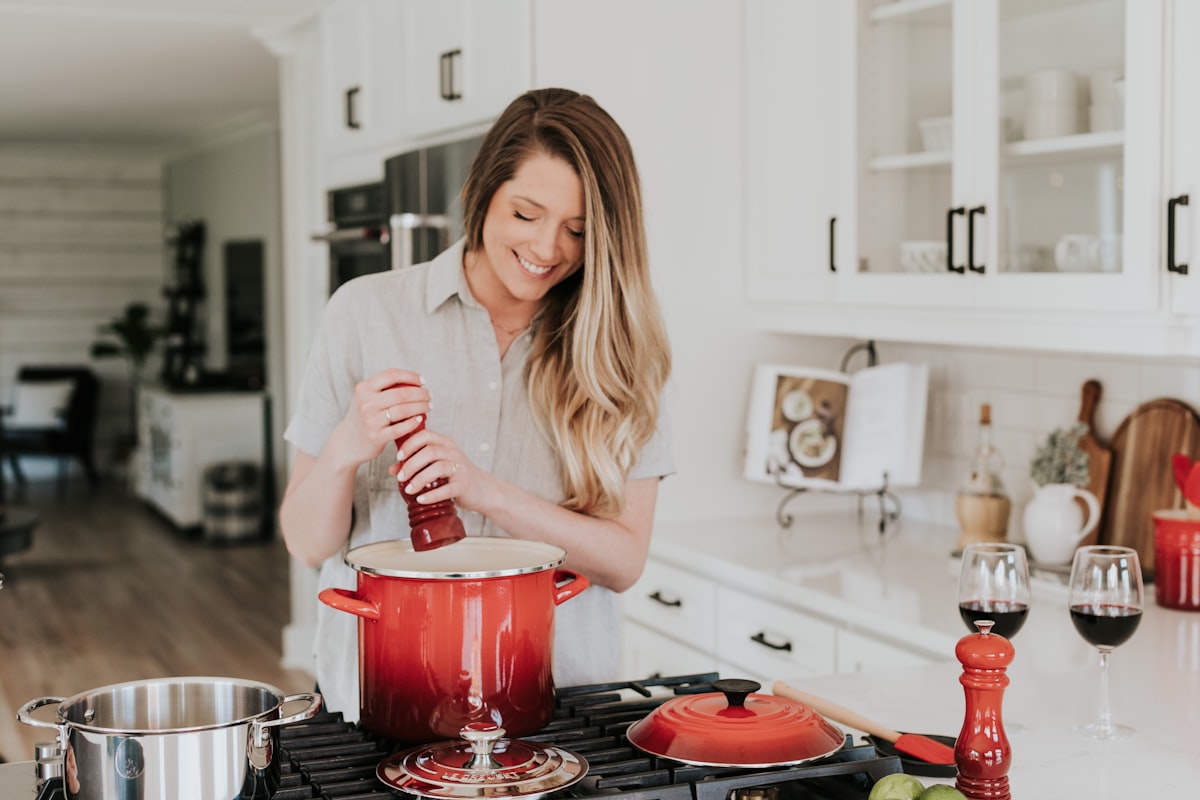
Fresh Produce
Whole fruits and vegetables are naturally free from common allergens and provide essential nutrients for a balanced diet.
Alternative Proteins
Legumes, seeds, and plant-based proteins offer nutritious options for those avoiding common allergens like peanuts and tree nuts.

Grain Alternatives
Explore rice, quinoa, and other gluten-free grains that can safely replace wheat-based products in your meals.
Understanding Common Allergens
The eight major allergens account for the majority of allergic reactions. These include peanuts, tree nuts, milk, eggs, fish, shellfish, wheat, and soya. Each requires different avoidance strategies and label-checking practices.
Cross-contamination during food preparation is a significant concern. Even trace amounts can trigger reactions in highly sensitive individuals. Understanding which foods are naturally free from allergens is crucial for safe meal planning and dining out.
- Learn to read food labels effectively
- Identify hidden allergens in processed foods
- Communicate safely with restaurants and food suppliers
Safe Alternative Solutions
Dairy Alternatives
Explore plant-based milk options including oat, almond, soya, and coconut varieties that can replace cow's milk in recipes and beverages.
Egg Substitutes
Flaxseeds, applesauce, and commercial egg replacers work well in baking and cooking when you need to avoid eggs entirely.
Flour Alternatives
Discover gluten-free flours such as coconut, almond, rice, and buckwheat that create delicious baked goods without wheat.
Seafood Replacements
Mushrooms, jackfruit, and plant-based options provide texture and flavour when avoiding fish and shellfish.
Nut Alternatives
Seed butters, legume-based spreads, and other options deliver nutrition and flavour without tree nuts or peanuts.
Smart Cooking Tips
Master kitchen practices, menu planning, and ingredient swapping to prepare delicious allergen-free meals with confidence.
Why Choose Foodwisdomjourney
Evidence-Based Information
Our content is grounded in current research and practical experience, helping you make informed decisions about managing food allergies.
Comprehensive Guides
Our detailed allergen guide covers labelling, cross-contamination, dining out safely, and practical meal planning strategies.
Community Support
Connect with others navigating similar challenges, share experiences, and build confidence through our supportive community.
Practical Solutions
We focus on real-world strategies and safe alternatives that fit into everyday life, not theoretical information.
Stories from Our Community* *Individual results may vary. These testimonials reflect the personal experiences of our community members.
"After discovering my daughter's peanut allergy, I felt overwhelmed. Foodwisdomjourney's guide helped me understand what to avoid, how to read labels, and where to find safe alternatives. Now we can eat out confidently and I know how to prepare safe meals at home. This resource has been invaluable to our customers."
Sarah Mitchell, Birmingham
"Having multiple food allergies used to mean eating the same boring foods every day. The alternative solutions section opened my eyes to ingredients I never considered. I'm now cooking more creatively than I ever did before. The community forum has also connected me with people who truly understand what I'm going through."
James Chen, London
"As someone with a severe shellfish allergy, I was anxious about restaurants and cross-contamination. The guide on how to communicate with restaurants and what to ask for has given me real confidence. I've learned practical tips that keep me safe without having to avoid dining out completely."
Elena Rodriguez, Edinburgh
"I needed to understand allergies better to protect my customers. The comprehensive allergen information and labelling section has made me a more responsible cook. I feel equipped to handle dietary requirements with confidence and care."
David Thompson, Manchester
Get Your Personalized Safety Guide
Explore our comprehensive allergen guide, discover safe alternatives, and access practical strategies for managing food allergies with confidence.
Frequently Asked Questions
What is the difference between a food allergy and food sensitivity?
A food allergy involves the immune system and can cause reactions ranging from mild to severe, sometimes life-threatening. Food sensitivity typically causes digestive discomfort without immune involvement. Both require careful management, but they're different conditions requiring different approaches.
How do I identify hidden allergens in processed foods?
Check ingredient lists carefully for allergen names and look for allergen warnings. Many foods list allergens separately or use terms like "may contain" to indicate cross-contamination risk. Our guide provides detailed tips on label reading and what to watch for in different food categories.
Are there natural alternatives to products I need to avoid?
Yes, for most allergens there are safe alternatives. Our Safe Alternative Solutions section explores dairy alternatives, egg substitutes, flour options, and more. Many traditional recipes can be adapted using these ingredients without sacrificing taste or nutrition.
How do I communicate my allergies when dining at restaurants?
Be clear and direct about your allergies and ask questions about ingredients and preparation methods. Speak with a manager if needed, as kitchen staff need to understand cross-contamination risks. Our guide includes templates and communication strategies to use when ordering.
Can children with food allergies enjoy normal school meals?
Many schools accommodate allergies with advance notice and clear documentation. You can work with school staff to identify safe options or provide allergen-free meals from home. Communication and planning are key to ensuring your child eats safely at school.
What should I do in case of an accidental allergic exposure?
Mild reactions may respond to antihistamines, while severe reactions require emergency care. Know your symptoms, have an action plan, and keep emergency contacts readily available. Our disclaimer provides important information about when to seek immediate medical assistance.